Health and Safety Policy — Disposal London Operations
 This Health and Safety Policy sets out the commitment of Disposal London and associated waste removal teams to protect the health, safety and welfare of all employees, contractors and members of the public affected by our activities. Our aim is to maintain a safe working environment while delivering high quality disposal services in London and surrounding areas. The policy applies to all operations: from manual handling and vehicle movements to storage and transfer of materials and responsible recycling. It explains responsibilities, risk management, training, equipment standards and the mechanisms for ongoing monitoring and improvement.
Management endorses a culture where every person associated with London disposal solutions is encouraged to recognise hazards and participate in safe working practices. We require all staff to follow written procedures, report unsafe situations and cooperate with incident investigations. The policy promotes proactive behaviour — such as hazard spotting, near-miss reporting and prompt corrective action — to prevent injuries, occupational illnesses and environmental harm. This includes robust safe systems of work for lifting, vehicle loading and site traffic as part of our everyday disposal services in London.
 Risk assessment lies at the heart of how the Disposal London team plans operations. Each task is subject to an assessment that identifies potential hazards, evaluates risks and defines control measures proportionate to the harm reasonably foreseeable. Assessments are reviewed whenever there are changes to processes, new equipment is introduced or when incidents indicate the controls may be insufficient. The approach is intended to be practical and measurable, ensuring that risks from manual handling, slips and trips, chemical exposure, sharps and biohazards encountered during waste collection and transfer are properly managed.
Roles and responsibilities are clearly defined. Senior management provides leadership and resources for health and safety; supervisors enforce safe systems of work and operational teams follow safe practices. Employees have a duty to take reasonable care for their own and others’ health and safety and to use equipment and personal protective equipment (PPE) provided. Contractors and third-party partners delivering disposal services must follow our standards and supply evidence of competence before starting work.
Training and competence form a core pillar of our policy. All staff receive induction training that covers the basics of manual handling, vehicle safety and incident reporting. Specific tasks require targeted training and certifiable competence: e.g., secure load procedures, hazardous waste handling or operation of compactors and lifting equipment. Refresher courses, toolbox talks and on-the-job coaching are used to maintain capability. Records of training and competence checks are maintained and audited.
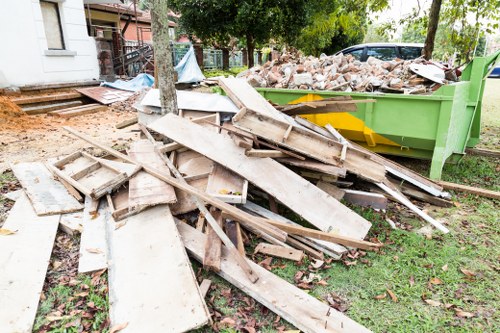 Operational controls include the provision and correct use of PPE, clear traffic management on sites, safe vehicle loading procedures and segregated storage for hazardous materials. We maintain equipment to a high standard through planned maintenance regimes and inspections. Waste segregation and containment protocols reduce cross-contamination risks, while authorized handling instructions limit exposure to potentially harmful substances. Emergency spill kits, fire-fighting equipment and first-aid resources are placed where they are readily accessible.
Emergency preparedness and response ensures swift action when incidents occur. Our procedures cover medical emergencies, spills, fire and vehicle incidents. Evacuation arrangements, appointed fire marshals and emergency contacts (kept internally) are part of site plans. Drills and scenario-based reviews test response capability and help identify improvements. Incident investigations seek root causes and result in remedial actions and dissemination of lessons learned across all disposal teams.
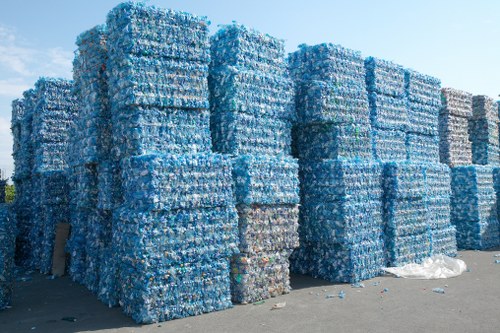 Performance measurement is conducted through regular inspections, audits and key performance indicators (KPIs) such as accident frequency, near-miss reports and completion of corrective actions. Senior managers review performance at scheduled intervals and use findings to set improvement targets. Health surveillance is applied where occupational risks warrant monitoring, and outcomes are used to improve control measures.
 This policy is subject to continual review and enhancement. We welcome responsible suggestions from employees on ways to improve safety and operational effectiveness. The Disposal-London policy framework is designed to be scalable, so best practices learned in one area of the business are shared across all services and teams. Commitment from every level within the organisation is essential to deliver consistent, safe disposal services while protecting people and the environment. Together we aim to minimise harm, comply with relevant obligations and foster a culture where safety is integral to how we operate.
Key Safety Commitments
- Risk-based planning: systematically identify and control hazards before work starts.
- Competent workforce: ensure training, supervision and fitness for task.
- Safe equipment: maintain vehicles and tools to appropriate standards.
- Incident learning: investigate occurrences and share corrective actions.
- Continuous improvement: review policy performance and update controls.
Final Statement
This document represents the overarching health and safety policy for Disposal London and its operational variations such as waste disposal London operations and disposal services in London. It is communicated to all employees and made available to partners who operate on our behalf. Safety leadership and practical commitment at every level will be the foundation for safe, efficient, and responsible disposal activities.