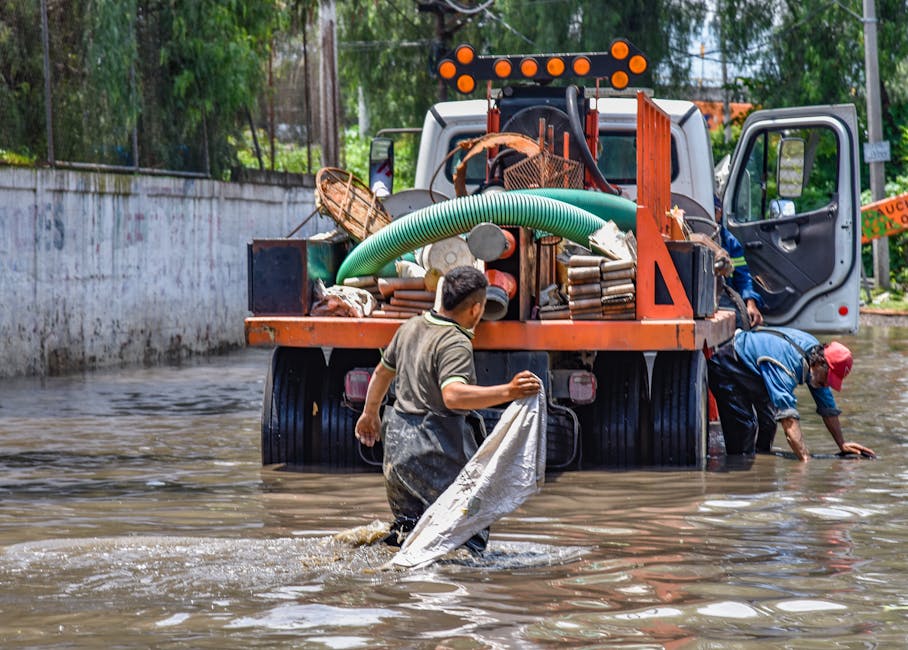
Emergency Rubbish Clearance After Flooding in London
Floodwater leaves more than a mess. It leaves damp furniture, broken packaging, soaked carpets, contaminated items, and that stubborn smell that seems to cling to everything by Tuesday morning. If you need Emergency Rubbish Clearance After Flooding in London, the first priority is simple: remove unsafe waste quickly, avoid making the damage worse, and get the property back to a condition where drying, cleaning, and repairs can actually begin.
That sounds straightforward. In real life, it rarely is. Access can be awkward, lifts may be out, basements can still be wet, and some items are just too heavy or unpleasant to move safely on your own. This guide walks you through what emergency flood clearance involves, how it works, what to watch out for, and how to decide the best next step without wasting time. If you want a broader sense of the company behind this approach, you can also read the about us page and check practical details such as pricing and quotes.
Practical summary: the best flood clearance is fast, careful, and organised. It protects health, speeds up drying, and prevents a bad situation from turning into a bigger one. Truth be told, after a flood, speed matters almost as much as method.
Table of Contents
- Why Emergency Rubbish Clearance After Flooding in London Matters
- How Emergency Rubbish Clearance After Flooding in London Works
- Key Benefits and Practical Advantages
- Who This Is For and When It Makes Sense
- Step-by-Step Guidance
- Expert Tips for Better Results
- Common Mistakes to Avoid
- Tools, Resources and Recommendations
- Law, Compliance, Standards, or Best Practice
- Options, Methods, or Comparison Table
- Case Study or Real-World Example
- Practical Checklist
- Conclusion
- Frequently Asked Questions
Why Emergency Rubbish Clearance After Flooding in London Matters
Flooding changes the nature of waste. Items that would normally be harmless may now be contaminated, waterlogged, mould-prone, or unsafe to handle. In London, where properties are often compact, access can be tight, and many homes or commercial spaces sit in basement or lower-ground layouts, the backlog of rubbish can become a real obstacle very quickly.
Emergency clearance matters because it helps create a safe working space for everything that follows: drying, disinfection, insurance checks, repairs, and in some cases, a full refurbishment. If waste is left in place too long, it can trap moisture, attract pests, and slow down any restoration work. And let's face it, once cardboard, soft furnishings, and damp insulation start to sour, the smell can travel through the whole building.
There is also a timing issue. After a flood, people often focus on obvious damage first and leave waste removal for later. That is understandable. But the pile of ruined items can block access to skirting boards, sockets, doors, and affected walls. It becomes harder for tradespeople to assess what is salvageable. In a flat, maisonette, shop, or office, that delay can add friction at exactly the wrong moment.
For landlords, facilities teams, and business owners, the stakes are even higher. A flooded premises may need quick clearance so you can protect staff, customers, equipment, and records. If you are managing a larger clean-up, it can help to understand the provider's safety approach too, including their insurance and safety information and their health and safety policy.
Key point: flood rubbish clearance is not just about tidying up. It is part of the recovery process itself.
How Emergency Rubbish Clearance After Flooding in London Works
The process should be fast, but it should not be sloppy. A proper emergency clearance service usually starts with a quick assessment of the waste, access conditions, and immediate hazards. A good team will look at what can be removed right away, what needs special handling, and whether anything is too contaminated or too heavy for normal lifting.
In practical terms, the job often falls into a few stages:
- Initial contact and triage. You explain what has been flooded, how much waste there is, and whether access is easy or restricted.
- Site assessment. The team identifies hazards such as standing water, slip risks, broken glass, sharp metal, mould, or electrical concerns.
- Segregation. Waste is separated into items that can be removed immediately and items that may need a different handling approach.
- Safe loading and transport. Rubbish is moved carefully to avoid tearing bags, spreading sludge, or damaging walls and floors.
- Responsible disposal or recycling. Reusable and recyclable materials are separated where possible, while contaminated waste is handled appropriately.
Flood clearances are often time-sensitive, but the best crews still work methodically. They will bring the right PPE, use appropriate lifting techniques, and pay attention to the property layout. In a narrow North London terrace, for example, a careful route through the hallway matters almost as much as the speed of removal. One bad lift on a wet floor and the whole day turns awkward. Nobody needs that.
Some jobs also involve coordination with other services. For instance, a dehumidification contractor may need the waste removed before they can start, or a locksmith may need clear access to a flooded basement store. If you are arranging the work, it helps to ask for a clear quotation and to read the provider's terms and conditions before confirming.
Key Benefits and Practical Advantages
Fast flood-related rubbish removal does more than save time. It reduces risk, makes the property usable sooner, and can stop small issues becoming expensive ones. Below are the most important benefits in plain English.
1. Faster drying and restoration
Wet waste traps moisture. Removing it early gives air and drying equipment room to work. That matters a lot in enclosed London properties where airflow may already be poor.
2. Reduced health risks
Floodwater can carry dirt, sewage contamination, and bacteria depending on the source and route of the water. Even when that is not obvious, damp materials can still become a breeding ground for mould. Clearing the waste reduces exposure for anyone entering the property.
3. Safer access for repairs
Electricians, plasterers, surveyors, and cleaning teams need room to move. If broken furniture, sodden carpet, and random debris are still in the way, they cannot do their work properly.
4. Better salvage decisions
Once the clutter is gone, it is easier to see what is genuinely ruined and what can be saved. That small distinction can matter for contents claims, restoration planning, and your own sanity.
5. Less stress at a stressful time
Let's be honest, floods are draining. Having someone take on the heavy lifting gives you one less thing to juggle. It is not glamorous, but it is a relief.
There is also a sustainability angle. Reputable operators should separate recyclable materials where appropriate rather than sending everything to disposal. If that matters to you, look at the company's approach to recycling and sustainability. It is a small detail on paper, but it says a lot about how they work.
Who This Is For and When It Makes Sense
Emergency rubbish clearance after flooding is not only for catastrophic events. It is for any situation where water has left behind unsafe, bulky, or contaminated waste that needs to be removed promptly. In practice, that includes a lot of people.
- Homeowners dealing with flooded living rooms, kitchens, bedrooms, or basements
- Tenants who need to clear damaged personal belongings and make a flat safe again
- Landlords and letting agents managing an urgent turnover after water damage
- Offices and shops where stock, packaging, furniture, or fixtures have been affected
- Property managers handling multi-occupancy buildings or shared storage areas
- Builders and restoration teams needing fast removal before remedial work begins
It makes sense when the waste is too much for normal bin collections, too heavy for one or two people to manage safely, or too contaminated to leave sitting around. It also makes sense if access is awkward. A flooded cellar in a terraced house, for example, can be a lot harder to clear than it looks from the street.
Sometimes people try to wait until the water is completely gone before doing anything. That can work in some cases, but not always. If the waste is already contributing to mould, blocked access, or health risk, waiting rarely helps. The better question is: what can be safely removed now?
Step-by-Step Guidance
If you are staring at a water-damaged room and wondering where to start, keep it simple. Do not try to do everything at once. Tackle the job in a sequence.
Step 1: Make the area safe
Before moving anything, check for obvious dangers. Look out for exposed electrics, unstable furniture, broken glass, muddy slip hazards, or any sign that the ceiling, floor, or wall is compromised. If you are unsure, stay out of the space until it has been checked.
Step 2: Separate what is ruined from what may be salvageable
Some things are obvious. Soaked chipboard furniture, mouldy mattresses, and collapsed cardboard usually need to go. Other items may be cleanable, but only if they have not been contaminated and can be dried properly. Keep the decision-making honest. Floods have a way of making people sentimental about a wet sofa that, frankly, has had a difficult day.
Step 3: Photograph the damage
If you are dealing with an insurance claim, take photos before the main clearance starts. Capture wider views and close-ups. Keep them simple and clear. You do not need a film set; you need evidence.
Step 4: Request the right kind of clearance
Explain the type of waste, where it is located, whether it is upstairs or downstairs, and whether the property is still wet. Good communication saves time and reduces extra charges later on.
Step 5: Clear access routes
Move smaller unaffected items out of hallways and doorways if you can do so safely. That helps the team move faster and reduces the risk of accidents.
Step 6: Let the clearance team handle the heavy or hazardous items
Large wet furniture, ruined carpets, and mixed debris can be awkward and unsafe to move without the right equipment. This is where professional handling earns its keep.
Step 7: Follow up with drying and repairs
Once the waste is gone, the property can properly dry and be assessed. That is usually the point where the real recovery begins.
If you need to make contact quickly, use the contact us page rather than trying to improvise a plan while standing in a wet hallway. That tends to work better, in our experience.
Expert Tips for Better Results
A few small decisions can make a flood clearance smoother, cleaner, and less expensive. These are the kinds of details people often miss the first time.
- Keep contaminated and uncontaminated waste apart. Mixing everything together can make disposal more complicated.
- Bag loose wet debris before it spreads. Sludge and soaked paper can smear across floors faster than you expect.
- Tell the team about access issues upfront. Tight stairs, parking restrictions, no lift, or basement-only entry all matter.
- Prioritise air flow. Once removable waste is out, open up the space so drying equipment can do its job.
- Be careful with odour masking sprays. They may cover the smell for an hour, but they do not fix the cause.
- Ask about payment methods in advance. This avoids a clunky handoff during a stressful moment. The company's payment and security page is worth checking if that is important to you.
One thing people often underestimate is the amount of hidden waste. A room can look only half full, then you start pulling out sodden underlay, broken storage boxes, and waterlogged soft furnishings. Suddenly it is a different job entirely. That is normal. Not ideal, but normal.
If you are handling the work on behalf of someone else, keep communication plain and specific. "There is a flooded cellar with mixed household waste and damaged furniture" is much more useful than "there's a bit of a mess downstairs." Small difference. Big help.
Common Mistakes to Avoid
Flood aftermath clearance is one of those jobs where good intentions can backfire. Here are the mistakes that cause the most grief.
Leaving wet waste in place too long
This is the big one. The longer the waste sits, the more likely it is to smell, mould, and block drying efforts.
Trying to salvage everything
Some items are simply beyond saving. Holding onto them because they were expensive or sentimental is understandable, but it can slow the whole recovery process.
Dragging heavy items across wet floors
This damages flooring, strains your back, and increases slip risk. It is not a clever shortcut, even if it feels like one in the moment.
Ignoring access and parking constraints
In London, parking and access are often half the battle. If a team cannot park close enough or reach the waste safely, the job takes longer than planned.
Overlooking the contamination source
Not all floodwater is the same. A leak from above is different from sewage-adjacent floodwater or river overflow. When in doubt, treat the waste conservatively.
Forgetting to document the damage
If you might need a claim, photos and notes should be taken before items are removed wherever possible.
Tools, Resources and Recommendations
You do not need a warehouse of equipment to start managing a flood clearance, but a few basic tools and sensible resources help a lot.
- Heavy-duty gloves for handling wet or sharp waste
- Protective footwear with grip for slippery surfaces
- Face covering or mask if dust, mould, or odour is an issue
- Strong refuse bags for loose debris and smaller contaminated items
- Torches or work lights for dark basements and utility areas
- Camera or phone for simple damage records
On the service side, a few pages are especially useful when you are choosing a provider or checking details. The most practical ones include pricing and quotes, insurance and safety, and the company's recycling and sustainability information. If you have accessibility needs or are arranging clearance for someone who does, the accessibility statement may also be worth a look.
There is no magic gadget that makes flood clearance painless. But a modest amount of organisation, plus the right support, gets you a long way. Usually further than people expect on day one.
Law, Compliance, Standards, or Best Practice
Flood waste clearance sits inside a broader set of UK waste-handling expectations and site-safety norms. You do not need to become a compliance specialist, but you should expect any professional service to work carefully and sensibly.
Best practice usually includes:
- Safe manual handling to reduce injury risk when moving heavy, awkward, or waterlogged items
- Appropriate PPE where contamination, mould, or sharps are possible
- Responsible waste segregation so recyclable material is not mixed unnecessarily with general waste
- Clear communication about hazards before the job begins
- Proper disposal routes for waste that cannot be reused or recycled
In London, there is also a practical reality: properties are often busy, densely packed, and shared with neighbours. That makes care around noise, timing, access, and cleanliness more important than in a wide-open industrial setting. A team should protect common areas, avoid leaving trails of debris, and work with as little disruption as possible.
If you are comparing providers, it is sensible to look for evidence that they take safety seriously rather than just saying they do. Their policies around health and safety, insurance and safety, and terms and conditions should all be easy to understand. If they are not, that is a clue in itself.
Options, Methods, or Comparison Table
There is more than one way to handle flood-related waste. The right method depends on how much there is, how contaminated it is, and how quickly it needs to go. Here is a practical comparison.
| Method | Best for | Pros | Limitations |
|---|---|---|---|
| Self-clearance | Very small amounts of light, safe waste | Low direct cost, immediate action | Risky if items are heavy, wet, mouldy, or contaminated; time-consuming |
| Man-and-van style clearance | Moderate loads of mixed household waste | Fast, flexible, usually more convenient than hiring a skip | May not suit highly contaminated materials or very large volumes |
| Full emergency clearance team | Urgent, awkward, or heavy flood waste | Safer, quicker, better for access issues and bulky items | Usually costs more than doing it yourself |
| Phased clearance | Properties needing drying, insurance checks, or staged repairs | Allows careful sorting and restoration planning | Takes longer overall, requires coordination |
For many London properties, the full emergency clearance option is the most realistic after flooding. Not because it sounds impressive, but because wet waste is awkward. It is heavy, messy, and often urgent. A phased approach can make sense if parts of the property need to stay undisturbed for inspection or drying.
Case Study or Real-World Example
Here is a realistic example based on the kind of job this often becomes. A ground-floor flat in South London suffers water ingress after heavy rain. The resident wakes up to a damp living room, a ruined rug, soaked cardboard storage boxes, and a sofa that has pulled in water through the fabric and base.
At first glance, it looks manageable. But once the furniture is moved, the team finds saturated underlay, damaged packaging, and a hidden trail of debris behind a cabinet. The smell is already starting. By lunchtime, the priority is not just rubbish removal, but creating room for drying equipment and preventing mould from taking hold.
The sensible sequence is simple:
- Photograph the damage.
- Remove the waterlogged waste and bulky damaged items.
- Separate items that might still be cleaned from items that are clearly beyond saving.
- Clear the route so the dehumidifier can work properly.
- Leave the property open and ventilated where safe.
Nothing dramatic. Just steady, practical action. That is usually what works best. The resident is relieved because the room no longer feels like a dead end, and the repair process can begin the same day. Small win, but a real one.
Practical Checklist
Use this checklist before booking or starting an emergency flood clearance. It keeps the process calmer than you might expect.
- Check whether the area is safe to enter.
- Turn off power to affected zones if advised by a qualified person.
- Identify any obvious contamination or mould.
- Take photos for records or insurance.
- List the main waste items that need removal.
- Note access issues such as stairs, lifts, parking, or restricted entry.
- Separate salvageable items from ruined waste where possible.
- Ask about disposal, recycling, and any special handling needs.
- Confirm the provider's safety approach and insurance.
- Arrange follow-up drying or restoration as soon as the clearance is done.
Quick reminder: if the property is still wet and unsafe, do not push yourself to do everything at once. Steady is better than rushed.
Conclusion
Emergency rubbish clearance after flooding is about more than removing broken stuff. It is about reclaiming access, lowering risk, and making the next stage of recovery possible. In London, where access can be tight and timing matters, a fast and careful clearance can save a lot of stress later.
The best approach is usually the one that combines safety, speed, and common sense. Clear the dangerous waste first, document what matters, and work with a team that understands wet waste, awkward access, and the pressure you are under. That is the kind of help people remember for the right reasons.
If you are ready to get moving, speak to a team that can act quickly, explain the process clearly, and keep the job tidy from start to finish. For more background on how the company works, see the about us page or review pricing and quotes before you decide.
Get a free quote today and see how much you can save.
When the water finally recedes, a clear space is often the first real sign that things are turning around. One step at a time, it comes back together.
Frequently Asked Questions
What counts as emergency rubbish clearance after flooding?
It means the urgent removal of flood-damaged waste, such as soaked furniture, ruined packaging, carpets, and debris, so the property can be made safe and dried properly.
How quickly can flood waste usually be removed in London?
That depends on access, the amount of waste, and the type of flooding involved. In urgent cases, same-day or next-day clearance may be possible, but it is best to confirm directly.
Can I throw flooded items into normal household bins?
Usually no, especially for bulky, contaminated, or waterlogged items. Normal bins are rarely suitable for flood-related rubbish, and the waste often needs a specialist collection.
Do I need to keep ruined items for insurance?
Often yes, at least until you have taken photos and checked what evidence is needed. If in doubt, document everything before disposal.
Is flooded furniture always unsafe to keep?
Not always, but upholstered furniture, mattresses, particleboard items, and anything contaminated or mouldy are commonly beyond safe recovery. A practical assessment is best.
What should I do first after a flooded room is discovered?
Make the area safe, avoid electrical hazards, take photos, and separate any obvious rubbish that can be removed without risk. Then arrange clearance and drying support.
Can emergency clearance help prevent mould?
It can help reduce the conditions that encourage mould by removing wet waste quickly and opening up the space for drying. It is not a cure on its own, but it helps a lot.
How do I know if a clearance company is safe to use?
Look for clear information on insurance, safety practices, and waste handling. A trustworthy provider should explain how they manage heavy, wet, or potentially contaminated items.
Will the team recycle anything from a flood clearance?
Where items are clean and suitable for recycling, they may be separated. However, contaminated or heavily water-damaged materials often cannot be recycled.
What if the flood waste is in a basement or hard-to-reach room?
That is common in London, and it is one of the main reasons people use emergency clearance services. Just make sure access details are shared early so the job can be planned properly.
How much does emergency rubbish clearance after flooding cost?
Costs vary based on waste volume, access, urgency, and the type of material involved. The most reliable way to understand cost is to request a tailored quote.
Where can I check the company's policies before booking?
You can review useful trust and service pages such as health and safety policy, payment and security, and complaints procedure.
If you need help now, the most sensible next step is to gather a few photos, note the access issues, and get in touch before the waste has time to sit any longer. That small bit of momentum can make the whole recovery feel more manageable.